News / Features / Interviews / New Shows + Transfers / Lyn Gardner
Amit Sharma on the Importance of Representation in Theatre
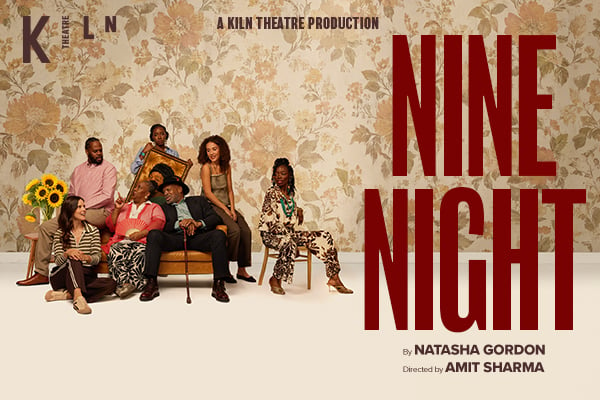
Some might hesitate about programming a play about death for the Christmas period, but Amit Sharma, the artistic director of the Kiln Theatre in Northwest London, didn’t even blink about reviving Nine Night, Natasha Gordon’s raucously funny drama about a British Jamaican family who gather to give their matriarch a traditional send-off. The play opens at the Kiln in early November, giving adult audiences adverse to traditional festive offerings a meaty alternative. It’s a play steeped in Jamaican culture and rites and the belief that the spirit of a loved one does not leave the home until the ninth night following their death. But anyone who has ever had a family and has suffered a loss will recognise its bittersweet, sometimes prickly and often hilarious truths. Sharma, who is of Indian heritage and was raised in Southall, says it's a play with universal appeal. “It cuts through to all types of audiences.” Sharma’s initial confidence is clearly not misplaced. The play’s run has already been extended into January even though Sharma and his cast are only in the second week of rehearsal. “We’ve been laughing our heads off in the rehearsal room,” says Sharma, who sees it as a significant part of his job to ensure that plays such as Gordon’s, which premiered at the NT in 2018 before transferring into the West End (the first play by a living Black female writer to do so), get the revivals they need to enter the canon. “I feel a responsibility to help ensure that this work isn’t forgotten and that new generations of theatre goers can discover it and see themselves and their families represented on stage.” Plays—even successful plays such as Nine Night—written by Global Majority writers are far less likely to be revived than those penned by their white peers. Those written by Global Majority women even less so. They need allies like Sharma, who occupies a position where he can root for the work and put his money where his mouth is by staging it. “It’s about really believing in the work, investing in it and believing in the artists who come to work in this building so they feel they really can live here and tell those untold stories, the ones less often heard. It seems to work for us. If we didn’t invest in doing this, we might as well pack up and go home. There are still so many voices, so many stories to discover, and it is incumbent on theatres like us to go out and find them and put them on our stages.” At a time when many regional and local theatres are operating in gritted-teeth mode, dealing with the fallout from standstill funding and a cost of living crisis, Sharma remains upbeat and optimistic as the current custodian of the Kiln, following in the footsteps of his predecessor Indhu Rubasingham who departed the Kilburn High Road for the South Bank where she is now artistic director of the NT. “She’s been such an inspiration,” says Sharma who took over the Kiln in late 2023, beating 40 other applicants to the job. “I feel like the work we are doing here at the Kiln is evolution, not revolution. There has been no need to rip anything out; instead we have been building on her legacy.” That includes ensuring that the theatre is a more accessible place for disabled artists, Sharma himself included. A capital grant from the Arts Council will make backstage, including the Green Room, accessible to all. But Sharma reckons that it is also about all theatres doing more to support disabled artists to develop as creatives and as artistic leaders. “Disability needs to be seen as an issue for the mainstream. Disability arts and disabled work has not had the opportunity to grow in the theatre sector in a way which supports artists to come through. We need to talk about this and have those conversations because disabled artists are still largely seen as disabled artists. But we want to be defined as artists and get to direct and perform in stories that are not linked to our impairment.”
22 Oct, 2026 | By Lyn Gardner